Understanding Paternal Postpartum Depression And Tips To Prevent It
It is important to extend the discourse surrounding mental health to include new fathers in the postpartum period. Read on to know what a doctor thinks.
 VERIFIED By: Dr Gowri Kulkarni, Head of Medical Operations at MediBuddy

Written by Prerna Mittra |Published : June 12, 2025 3:08 PM IST
Mental health struggles of fathers post childbirth: Postpartum depression and mental health problems post childbirth are often viewed from the standpoint of the new mother. But, doctors warn that fathers also suffer from mental health issues after the birth of their babies, and it is not addressed often or enough. According to mental health experts, it is possible for first-time fathers to experience anxiety, depression, grief, and emotional isolation in the weeks or months following the birth of their child. As such, their well-being needs to be prioritised, too. Ahead of Father’s Day 2025, let us learn more about a father’s mental health struggles post childbirth, and how they can be prevented and/or managed. Read on.
Paternal Postpartum Depression (PPPD)
Dr Gowri Kulkarni, Head of Medical Operations at MediBuddy explains that there are many lifestyle changes that take place after the birth of a child. “Fathers have to adapt themselves to new responsibilities. They are also expected to navigate disrupted routines and shoulder the pressure to provide support at home. In the process, many end up struggling alone,” the doctors says.
What Is PPPD?
Dr Kulkarni says paternal postpartum depression causes men to experience depressive episodes following the birth of their baby. But, unlike maternal PPD — often linked to hormonal changes — PPPD typically stems from ‘psychological and social stressors’, which include finances, health (owing to sleepless nights), and changes in the relationship with the partner.
Preventive Strategies
According to the doctor, these preventive strategies can make a significant difference:
Open Communication
Fathers must be encouraged to have open and judgement-free conversations with other members of the family, as it can reduce emotional isolation and offer immense relief. It can also prevent small concerns from growing into major issues.
Seeking Professional Support
If a new father experiences persistent low mood, irritability or emotional disconnection, he should be encouraged to seek professional help. A counsellor or psychologist can provide a safe space to work through these feelings and develop healthy coping strategies.
Raising Awareness
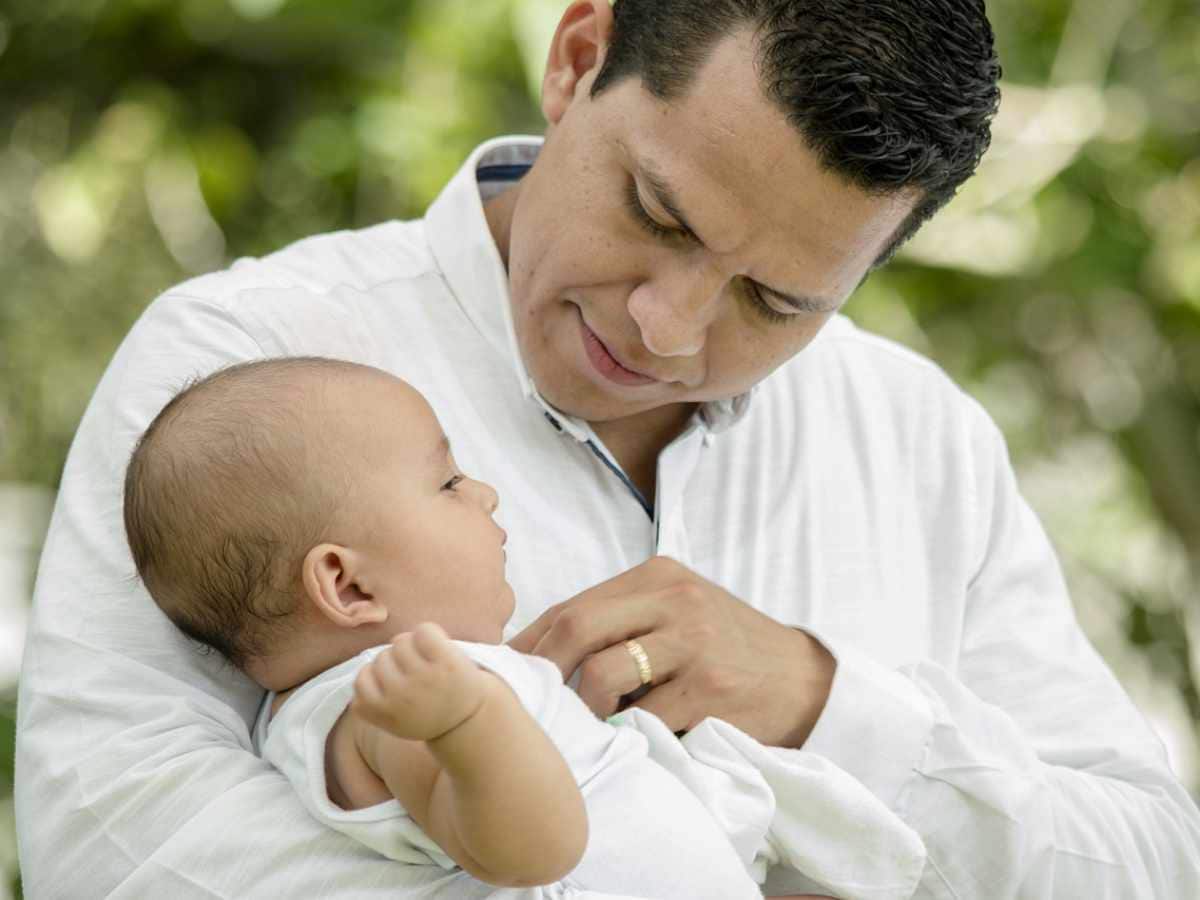
There should be greater visibility and awareness surrounding mental health issues of new fathers through prenatal classes, public health campaigns, and such. Fathers must recognise the signs early and seek support.
Prioritising Self-Care
Maintaining a healthy routine can significantly improve mental well-being, with regular physical activity, a balanced diet, hydration, and adequate rest. While sleep deprivation is common in early parenthood, sharing responsibilities with a partner or taking short naps can help.
Paternal Leave
Paternal leaves can make a meaningful difference by allowing fathers the chance to bond with their child and contribute to caregiving duties. It strengthens the co-parenting relationship and reduces stress.

Don’t Miss Out on the Latest Updates.
Subscribe to Our Newsletter Today!

link