Extra Weekend Sleep Is Linked to Better Mental Health in Teens
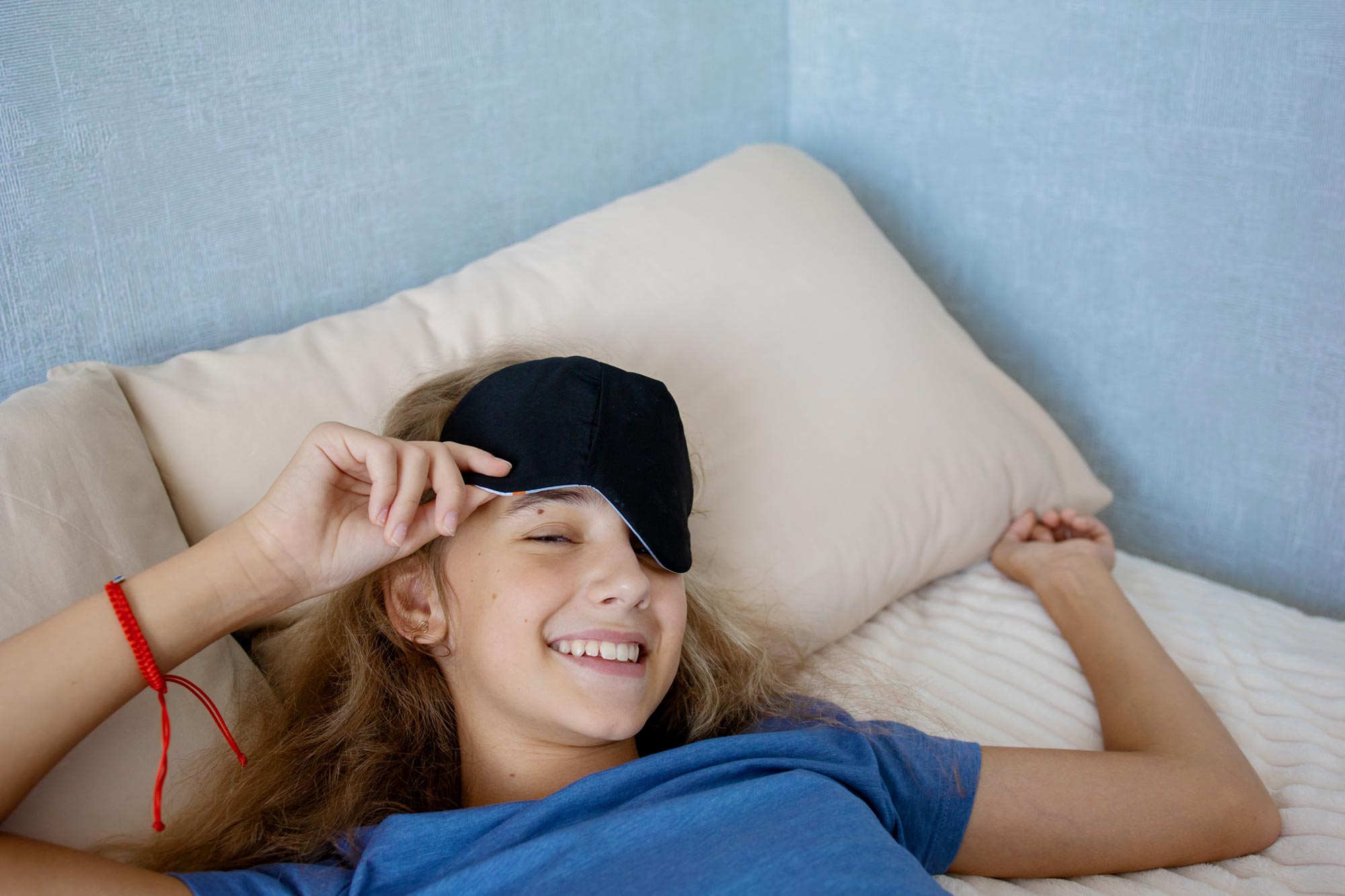
Catching up on sleep over weekends may be an easy way for teens to support their mental health.
Sleeping longer on weekends to make up for rest lost during the school week may support better mental health in teens and young adults, according to new research from the University of Oregon and the State University of New York Upstate Medical University.
The study found that people ages 16 to 24 who recovered lost rest on weekends were far less likely to report symptoms of depression. Compared with peers who did not catch up, this group showed a 41 percent lower risk of depressive symptoms.
Published in the Journal of Affective Disorders, the research highlights the close connection between rest and emotional well-being during adolescence. This age group faces frequent rest disruption and an elevated risk of depression, yet has rarely been included in research examining weekend recovery patterns.
Weekend Catch-Up Rest in U.S. Teens
The study offers an early look at weekend recovery habits among typical adolescents and young adults in the United States. Earlier research in this area focused largely on school-age teens in China and Korea.
Many U.S. teens fall behind during the week as they juggle academic demands, social activities, extracurricular schedules, and often part-time jobs. These competing responsibilities make it difficult to maintain consistent nightly routines.
“Sleep researchers and clinicians have long recommended that adolescents get eight to 10 hours of sleep at a regular time every day of the week, but that’s just not practical for a lot of adolescents, or people generally,” said Melynda Casement, a licensed psychologist, associate professor in the UO’s College of Arts and Sciences and director of the UO’s Sleep Lab. She co-authored the paper with Jason Carbone, assistant professor of public health and preventive medicine and of family medicine at the State University of New York Upstate Medical University.
While the researchers emphasize that eight to 10 hours each night remains the ideal goal, they acknowledge that many teens cannot consistently reach that target. When that happens, sleeping longer on weekends may help reduce the likelihood of depressive symptoms.
“It’s normal for teens to be night owls, so let them catch up on sleep on weekends if they can’t get enough sleep during the week because that’s likely to be somewhat protective,” Casement said.
How Researchers Measured Rest and Mood
The analysis used data from 16- to 24-year-olds who participated in the 2021-23 National Health and Nutrition Examination Survey. Participants reported their usual bedtimes and wake-up times on weekdays and weekends.
Researchers calculated weekend catch-up rest by comparing average nightly duration on weekend days with the average on weekdays. Participants also reported their emotional state and were considered to have symptoms of depression if they said they felt sad or depressed every day.
Why Teen Rest Patterns Shift
Biological timing systems, known as circadian rhythms, naturally shift during adolescence. These changes make it harder for teens to fall asleep early, even when they are tired.
“Instead of being a morning lark you’re going to become more of a night owl,” Casement explained. “And sleep onset keeps progressively delaying in adolescence until age 18 to 20. After that, you start becoming more morning larkish again.”
For many teenagers, this biological timing aligns with falling asleep around 11 p.m. and waking around 8 a.m. That schedule often clashes with early start times at U.S. high schools. Because of this mismatch, many sleep scientists and health care providers support public health efforts to delay school start times.
Mental Health Risks in Young People
Depression is one of the leading causes of disability among people ages 16 to 24, Casement said. In this context, disability refers broadly to difficulties with daily functioning, such as missing work, arriving late, or struggling to keep up with responsibilities.
“It makes that age range of particular interest in trying to understand risk factors for depression and how those might relate to delivery of interventions,” Casement said.
Reference: “Weekend catch-up sleep and depressive symptoms in late adolescence and young adulthood: Results from the National Health and Nutrition Examination Survey” by Jason T. Carbone and Melynda D. Casement, 3 November 2025, Journal of Affective Disorders.
DOI: 10.1016/j.jad.2025.120613
Never miss a breakthrough: Join the SciTechDaily newsletter.
Follow us on Google and Google News.
link