NoVA Doctors Offer Tips to Help You Live Longer and Stronger
It’s an inevitable fact of life: Nobody is going to live forever. And, as you age, concerns about memory loss, illnesses like cancer or heart disease, and loss of mobility or independence may start to weigh on your mind.
Luckily, there are simple, impactful health and lifestyle habits that almost anyone can follow to reduce the risk of developing certain health conditions.
We spoke with two Northern Virginia physicians from our 2026 Top Doctors list for practical advice for living a long, healthy life.

Staying Fit
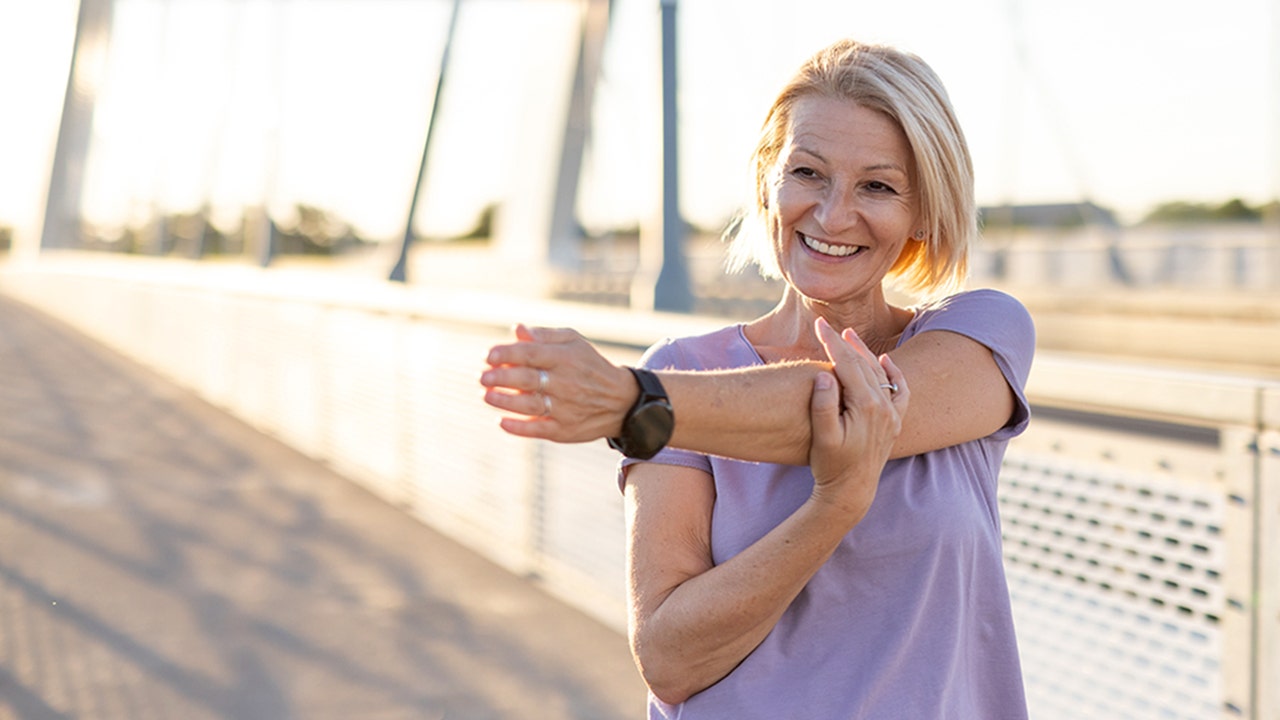
One of the most significant longevity lifestyle factors is exercise, says Dr. Ilya Rabkin, a family medicine physician with concierge health practice ZinovyMed. “Just move. Just start getting up and moving, even if it’s for a 30-minute walk. … Going from not doing anything extra to even going for a light walk every other day will improve their heart health, mood, so much.”
Physical fitness can reduce risk for myriad health conditions, including cardiovascular disease, type 2 diabetes, and several forms of cancer, according to the CDC.
Fitness is also essential for retaining muscle mass and bone density, which help older adults maintain their mobility and strength and reduce the risk of falls — the leading cause of injury for adults 65 and older, CDC findings show.
“Not exercising regularly, that can create problems with pain, loss of mobility, loss of function, loss of independence,” says Dr. Shalini Kaneriya, an internal medicine doctor with Lifetime Concierge Internal Medicine. “We want someone to be as independent and functioning as possible, to be able to do the things that they do in their normal life.”
Sarcopenia — or loss of muscle mass — impacts 5 percent to 13 percent of people ages 60 and above, and between 11 percent and 50 percent of people 80 and above. When that muscle mass begins to drop, it can make it difficult to perform daily tasks. It also increases the possibility for falls. Osteoporosis, the loss of bone density, can similarly impact older adults — especially post-menopausal women — by causing brittle bones that are more prone to breaks.
What type of exercise is best? Kaneriya says there are three categories: aerobic, weight-bearing, and weight training.
Aerobic exercises like swimming and cycling raise your heart rate and increase how much oxygen your body uses. Weight-bearing exercises like running and stair climbing include carrying the weight of your body against gravity while staying upright. Weight training involves weightlifting to build muscle mass.
It’s best to start exercising early in life, but it’s never too late to start. “If you start from a very high place and you start to lose [muscle mass], you won’t end up as bad as if you started at that much lower area,” Rabkin says. “But I tell people, it’s never, ever too late. You don’t need to be an athlete. Just move a little, get out, do a little bit of resistance training at home.”
Fueling Your Body
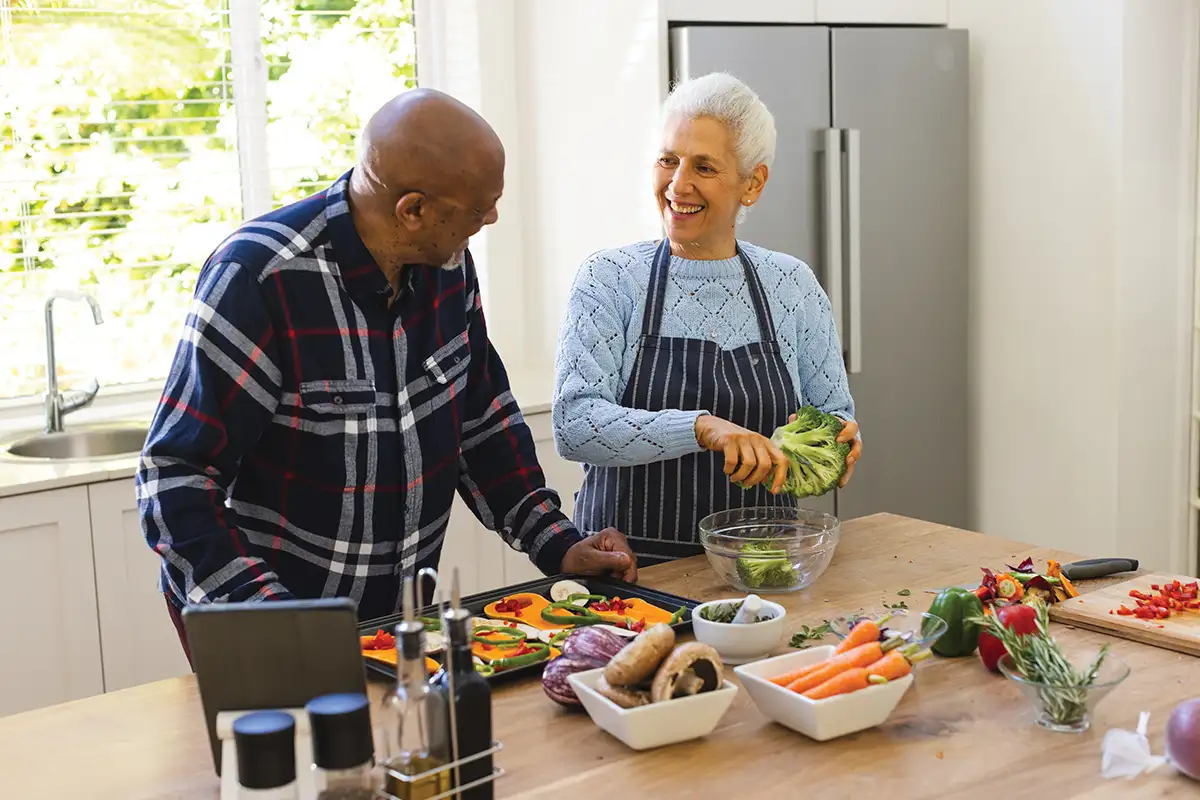
Proper nutrition is another factor that has a huge impact on well-being and longevity. “When you don’t follow a healthy diet, you have an increased risk of diseases such as high blood pressure, diabetes, cancer, obesity,” Kaneriya says.
She suggests a diet with plenty of fiber, fruits, and vegetables, a minimal amount of processed foods, and only lean meats.
Specific dietary guidance will vary from person to person, Rabkin says, but he goes by the adage “eat the rainbow” — eating fruits and vegetables of every color to get the most nutrients. He also recommends plenty of protein-rich foods to help build muscle.
Regular visits to a doctor can help identify gaps in your diet and whether supplements are needed. Bloodwork will determine if you’re in need of additional Vitamin D, Omega-3s, or calcium, for example. But ideally, a healthy diet should supply all the necessary nutrients, Rabkin says.
Kaneriya and Rabkin both say to also avoid smoking, excessive alcohol use, and drug use. Cigarette smoking is the leading preventable cause of disease, death, and disability in the U.S., according to the CDC. And alcohol can negatively impact cognitive and mental health as well as worsen physical health problems like chronic pain and cardiovascular disease, according to the National Institute on Alcohol Abuse and Alcoholism.
Community and Lifestyle Factors
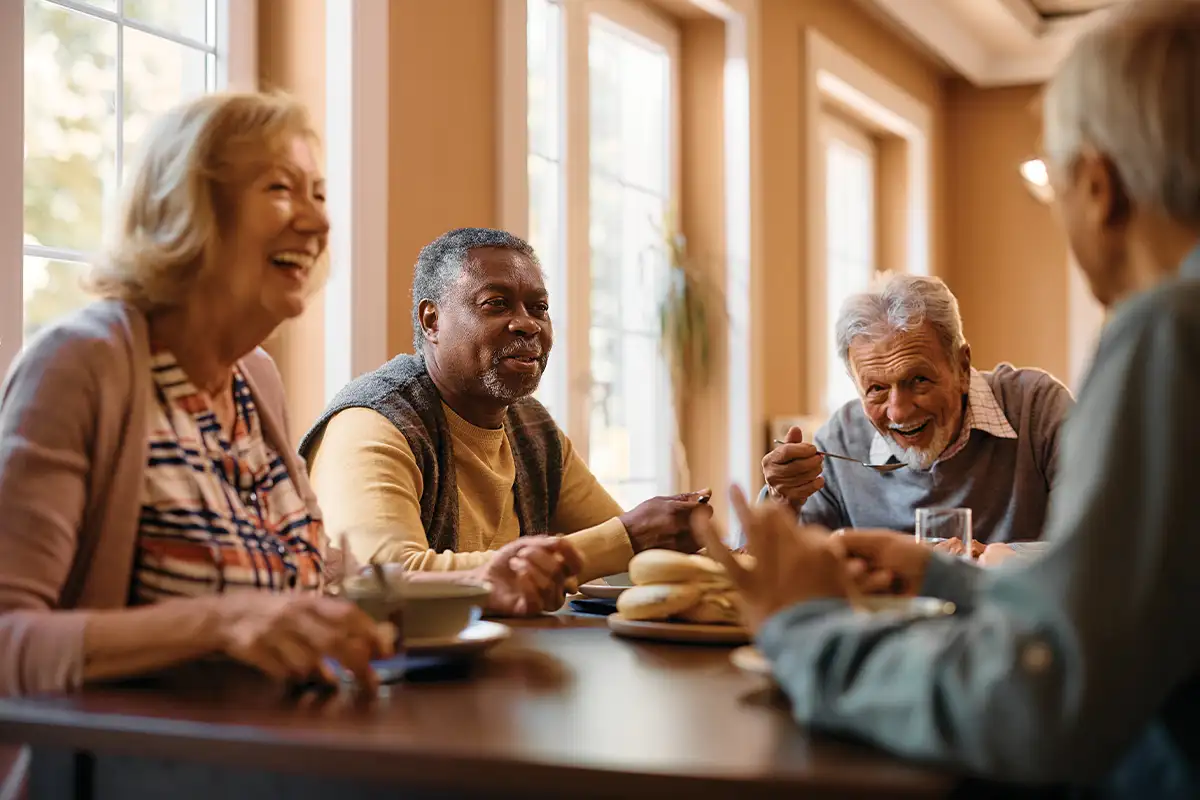
Beyond diet and exercise, a key factor that’s linked to longevity is connection with the community. “Whether it be your church, your friends and family, your neighborhood … just being connected to a community has been shown to increase longevity, because it creates a sense of belonging and purpose,” Kaneriya says.
Without that community and connection, social isolation and loneliness can be detrimental to a person’s well-being. According to the National Institute on Aging, research has linked social isolation and loneliness to higher risks for conditions including high blood pressure, heart disease, obesity, depression, and anxiety. It’s also a major risk factor for cognitive decline and Alzheimer’s.
Stress and sleep are other lifestyle factors that can have big impacts on physical, mental, and cognitive health.
“Sleep independently can affect your focus, your memory, your mental health, and even your physical health — like there are rises in sugar levels when we lack sleep, and that puts you at risk for diabetes [and] blood pressure issues,” Rabkin says. “Everything affects everything else, and your mental health is another pillar of living longer that also affects our memory and focus.”

Regular Doctor Visits
Rabkin stresses the importance of regular recommended health screenings that can catch cancers or other diseases early, when treatment is likely to be most effective. “That’s a very easy win for a lot of people,” he says.
Some of those include:
- Breast cancer screenings every two years for women between age 40 and 74
- Colorectal cancer screenings starting around age 45
- Blood glucose tests every three years for adults over age 45 with certain risk factors
- Prostate cancer screenings every one to two years
Feature image, stock.adobe.com
This story originally ran in our February issue. For more stories like this, subscribe to Northern Virginia Magazine.
link